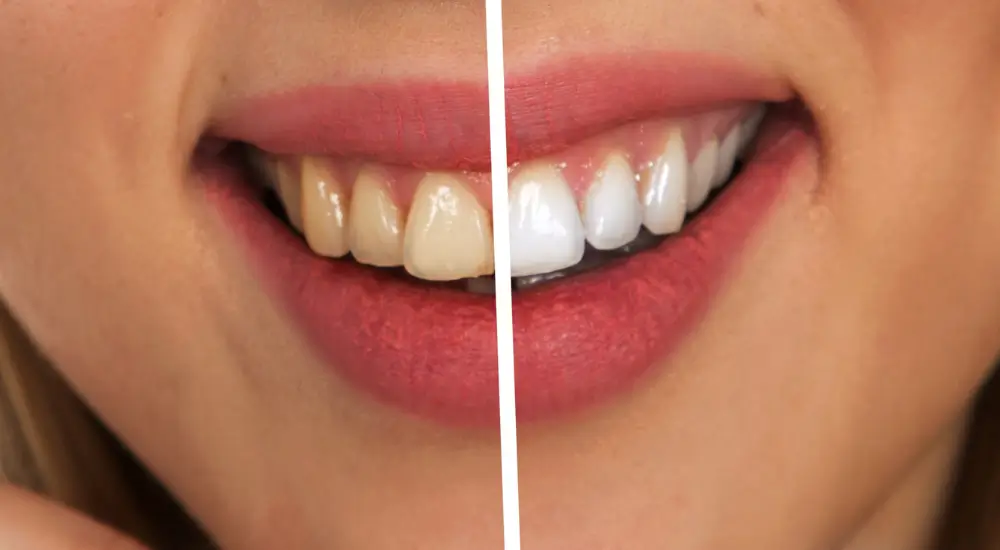
Tartar buildup on teeth is a common concern for many Indians. It starts small—as plaque—but when left unchecked, it hardens into tartar and clings tightly to the teeth and gumline. Most people believe visiting the dentist is the only way to get rid of it. But is that always necessary? Can you remove tartar at home safely?
In this detailed blog, backed by dental expertise and real-world tips, Oralsy brings you clear answers, safe techniques, and everyday oral care advice that helps you manage tartar on your own—while knowing when it’s time to seek a professional.
What is Tartar and Why Does It Matter?
Tartar, also called dental calculus, is hardened plaque that forms on your teeth over time. Plaque is a soft, sticky film of bacteria that constantly forms on your teeth. If not removed through daily oral hygiene, it calcifies and turns into tartar. This rough layer attracts even more plaque, leading to tooth decay, gum disease, and bad breath.
In India, many of us consume high-starch diets, drink sugary tea/coffee, and forget to rinse after meals—all of which can speed up tartar formation. While mild tartar buildup can be managed at home with some effort, heavy tartar removal at home isn’t always safe without proper tools and knowledge.
Can I Remove Tartar at Home?

This is one of the most common questions we get at Oralsy. And the honest answer is—to an extent, yes, but with limitations.
What You Can Do at Home:
- Slow down and prevent new tartar from forming
- Soften existing tartar
- Maintain a clean environment inside the mouth to discourage buildup
What You Shouldn’t Do at Home:
- Use sharp metal tools to scrape tartar (this can damage enamel and gums)
- Overuse strong acids or DIY mixtures that erode enamel
- Skip dentist visits entirely when tartar is visible or causing discomfort
If the tartar has already hardened into thick, yellowish layers, a dental professional’s scaling procedure is the safest method.
Can Brushing Remove Tartar?
Brushing is your first line of defence against plaque, but once plaque hardens into tartar, brushing alone cannot remove tartar. However, brushing is still essential—it stops plaque from turning into tartar.
Best Brushing Practices:
- Use a soft-bristled toothbrush twice a day
- Choose fluoride or tartar control toothpaste
- Brush for at least 2 minutes
- Don’t forget the gumline and tongue
Electric toothbrushes can be more effective at reducing plaque buildup. Brushing is preventive, not curative, when it comes to tartar.
Proven Ways to Remove Tartar at Home
Now, let’s focus on how to get rid of tartar on teeth with safe home remedies that are backed by both experience and expertise. While none of these are replacements for professional dental cleanings, they can help manage early signs of tartar.
1. Baking Soda Paste
One of the most trusted remedies in Indian homes.
How to Use:
- Mix 1 tsp of baking soda with a few drops of water to make a paste
- Apply it to your teeth with a brush or finger
- Leave for 1–2 minutes and rinse thoroughly
Benefits: It neutralises acids and softens tartar.
Caution: Use only once a week to avoid enamel erosion.
2. Oil Pulling with Coconut Oil
An age-old Ayurvedic practice that promotes oral health.
How to Do It:
- Take 1 tablespoon of pure coconut oil
- Swish in your mouth for 10–15 minutes
- Spit it out and rinse with warm water
Benefits: Reduces bacteria, plaque, and freshens breath.
3. Hydrogen Peroxide and Salt Rinse
A gentle way to sanitise the mouth and soften tartar.
Recipe:
- Mix 2 tsp of hydrogen peroxide (3%) with a half glass of warm water
- Add a pinch of salt
- Swish and spit (do not swallow)
Do this once or twice a week.
4. White Vinegar Mouthwash
Acidic but effective in removing mineral deposits.
Method:
- Mix 2 tsp of white vinegar with warm salt water
- Rinse once a week
Avoid overuse as vinegar is acidic and may damage enamel if used excessively.
5. Using a Tartar Control Toothpaste
Look for toothpaste that contains pyrophosphates or zinc citrate. These ingredients help slow the formation of tartar.
Heavy Tartar Removal at Home – Is It Safe?
Let’s be honest. Heavy tartar removal at home is not advisable. If the tartar has formed thick layers or is causing gum irritation, no home remedy can replace a dentist’s tools.
Signs of Heavy Tartar Buildup:
- Yellow or brown hardened layers near the gums
- Bleeding while brushing
- Constant bad breath
- Gum swelling or recession
Trying to scrape it yourself with sharp tools can lead to:
- Enamel damage
- Gum injury
- Infection risk
Insight: As oral health experts at Oralsy, we strongly advise seeking professional scaling once or twice a year to avoid long-term complications.
How to Get Rid of Tartar on Teeth – Focus on Prevention
Since tartar is so stubborn once formed, the smarter route is to prevent it altogether. Here are some daily habits that actually make a big difference:
1. Rinse After Every Meal
In Indian households, we eat curries, rice, sweets—all of which leave behind food particles. A simple rinse with water after every meal can reduce plaque buildup.
2. Chew Sugar-Free Gum
Stimulates saliva, which naturally cleans your mouth and neutralises acids.
3. Eat Crunchy Fruits and Veggies
Raw carrots, apples, and cucumbers naturally scrub your teeth and promote gum health.
4. Avoid Sticky, Sugary Foods
Limit sweets, especially ones that cling to teeth—like ladoos, jaggery-based treats, and packaged snacks.
5. Use a Tongue Cleaner
Bacteria on the tongue contribute to overall plaque formation. Cleaning your tongue daily is a simple but effective habit.
When to See a Dentist
Even with the best home care routine, some tartar will form over time—especially in hard-to-reach areas like behind the lower front teeth. That’s why visiting a dentist once every 6–12 months is crucial.
When Home Remedies Aren’t Enough:
- If you notice persistent yellow or brown stains
- If your gums bleed regularly
- If you’re experiencing sensitivity or pain
Remember, home care and professional care go hand in hand.
How Oralsy Helps You Maintain a Tartar-Free Smile
At Oralsy, we believe in everyday dental wellness. Our oral care range is thoughtfully designed for Indian users—whether it’s a fluoride mouthwash, a gentle herbal toothpaste, or eco-friendly tongue cleaners.
With regular use of Oralsy products, you can strengthen your daily routine and prevent tartar before it builds up.
FAQs on Removing Tartar at Home
Q. Is it safe to scrape tartar off at home?
A. No. Scraping with sharp tools can damage enamel and gums. Always go to a dentist for heavy tartar removal.
Q. Can I remove tartar at home completely?
A. Mild tartar can be managed with proper care, but thick deposits need professional scaling.
Q. Best toothpaste to remove tartar?
A. Look for fluoride-based or tartar control toothpaste with zinc or baking soda. Oralsy’s herbal formulas are also gentle yet effective.
Final Word
So, can you remove tartar at home? Yes—but only to a point. With consistent brushing, smart rinsing, and natural remedies, you can keep your teeth cleaner, brighter, and healthier.
But remember—heavy tartar removal at home is not safe. A dentist’s expertise is irreplaceable when things go beyond the surface.
Choose Oralsy to make your daily dental care simpler and smarter.
Because a confident smile begins with everyday habits.
